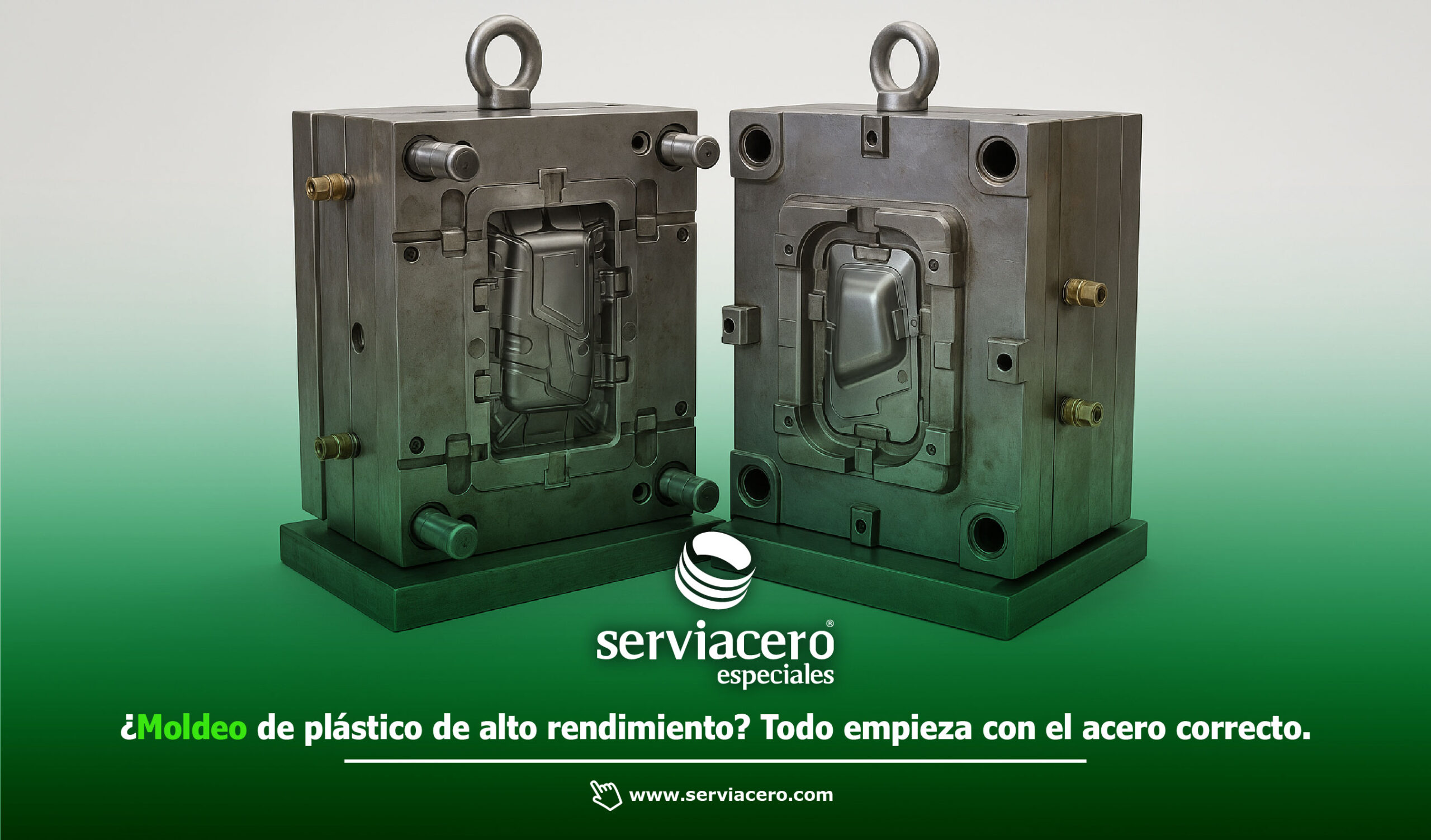
Aceros para modelo de plástico ; La selección del acero adecuado para moldes de inyección de plástico no es sólo una decisión técnica: es una inversión estratégica que impacta directamente en la calidad del producto final, la eficiencia operativa y la rentabilidad del proceso. En la industria del moldeo, donde cada milisegundo cuenta, elegir un acero con propiedades metalúrgicas equilibradas puede marcar la diferencia entre un molde confiable y uno que fracasa prematuramente.
Hoy te presentamos tres aceros que han demostrado su valor en aplicaciones exigentes:
420 Mod. (DIN 1.2083),
DIN 1.2085 y
P20 + Ni (DIN 1.2738). Todos diseñados para responder a los más altos estándares de rendimiento en moldes de inyección de plástico.
Acero para modelo de Plástico 420 Mod. (DIN 1.2083)
El acero
420 Mod. es una evolución del clásico AISI 420, con una formulación martensítica que le permite ofrecer una alta dureza tras temple y revenido. Su principal fortaleza radica en su
excelente resistencia a la corrosión y oxidación, lo que lo convierte en la opción ideal para moldes expuestos a plásticos corrosivos como el PVC o en entornos donde la humedad y los aditivos químicos son comunes 420 Mod.
Entre sus atributos más destacados:
- Dureza de hasta 50 HRC.
- Alta capacidad de pulido, ideal para moldes con exigencias estéticas u ópticas.
- Buena estabilidad dimensional tras tratamiento térmico.
- Resistencia a la tracción de hasta 1,780 N/mm².
Es ampliamente utilizado en
moldes para la industria médica y puede sustituir aceros inoxidables convencionales como 304 o 316L, aportando mayor resistencia al desgaste sin perder la ventaja anticorrosiva420 Mod.
Acero para modelo de Plástico DIN 1.2085
Cuando se trata de proteger la inversión en moldes de grandes dimensiones o en almacenamiento prolongado,
DIN 1.2085 es la mejor elección. Este acero martensítico pretemplado fue desarrollado para
porta-cavidades y portamoldes, con una resistencia superior a la corrosión gracias a su alto contenido de cromo (16%) y su estado preendurecido.
Beneficios clave de los aceros para modelo de plástico DIN 1.2085:
- Dureza entre 31 y 36 HRC de fábrica, lista para usarse.
- Excelente maquinabilidad por su contenido de azufre y manganeso.
- Conductividad térmica optimizada (17 W/m°C), ideal para ciclos de inyección controlados.
- Perfecto para ambientes donde el acero puede estar expuesto a la intemperie o almacenado por periodos largos.
Este acero puede reemplazar aceros grado maquinaria como 4140T o 4340T, y es particularmente útil en moldes que requieren
resistencia estructural y protección frente a la corrosión
Acero para modelo de Plástico P20 + Ni (DIN 1.2738)
El acero
P20 + Ni representa la solución ideal para moldes con
altos requerimientos de acabado superficial y durabilidad. Gracias a la adición de níquel, este material ofrece una templabilidad superior, logrando durezas uniformes incluso en piezas de gran volumen. Además, su estructura permite procesos como el fotograbado y la nitruración, ampliando su vida útil y desempeño funcional
Ventajas competitivas de los aceros para modelo de plástico P20:
- Dureza uniforme entre 28 y 34 HRC, incluso en grandes secciones.
- Excelente capacidad de pulido.
- Buen comportamiento en procesos de maquinado CNC.
- Posibilidad de endurecimiento superficial a más de 50 HRC vía nitruración o llama.
P20 + Ni es altamente valorado en aplicaciones que exigen precisión y estética, como en moldes para carcasas electrónicas o piezas con acabado espejo. Además, es apto para componentes de troqueles y piezas mecánicas como ejes y cigüeñalesP20 + NI.
Tres aceros para modelo de plástico, un mismo objetivo
Cada uno de estos aceros responde a diferentes desafíos del moldeo de plástico. Mientras que el 420
Mod. Destaca por su resistencia química y acabado óptico, el
DIN 1.2085 sobresale como portamolde resistente a la corrosión, y el
P20 + Ni ofrece equilibrio ideal entre dureza, maquinabilidad y acabados de alta estética.
En un mercado que exige mayor eficiencia, durabilidad y precisión, invertir en aceros especializados no es solo una decisión técnica, es una
estrategia competitiva inteligente.
¿Quieres elegir el acero correcto para tu próximo proyecto de moldeo?
Contáctanos en Serviacero Especiales y deja que nuestro equipo te asesore.
Optimiza tu proceso, prolonga la vida útil de tus moldes y garantiza la calidad de cada inyección.