
El Acero 1045 es un tipo de acero al carbono de grado medio que contiene alrededor de un 0.45% de carbono en peso. Pertenece a la categoría de aceros de bajo contenido de aleación y es ampliamente utilizado en diversas aplicaciones debido a sus propiedades mecánicas y facilidad de procesamiento. El número “1045” es una designación que sigue la norma de clasificación AISI-SAE para aceros.
Este acero tiene buena soldabilidad, pero deben tomarse precauciones para evitar la fractura alrededor de la zona soldada.
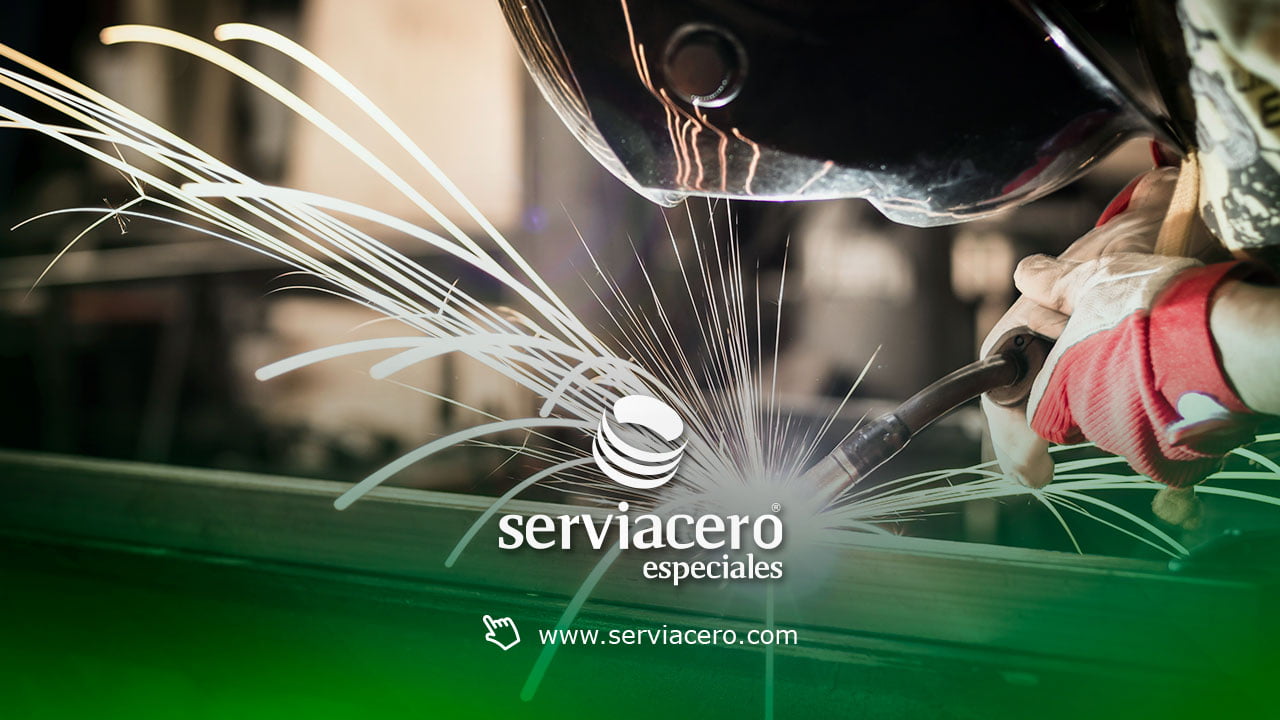
El proceso de soldadura es una operación no deseable y no recomendable en aceros de medio carbono y superiores (como el acero 1045), debido a la posibilidad de sufrir fractura en la zona soldada y a su alrededor sin embargo y de ser necesario, deben tomarse en cuenta las siguientes recomendaciones:
Precalentamiento: La zona soldada deberá calentarse uniformemente a una temperatura que oscile entre 150° y 250°. Aplicar el cordón de la soldadura de manera convencional.
Enfriamiento: Deberá protegerse la zona soldada a fin de evitar un enfriamiento rápido que promueva el endurecimiento de la zona soldada; puede utilizarse cal, bentonita o algún otro material que proporcione aislamiento térmico.
Post Calentamiento: Calentar uniformemente a una temperatura de 250°C en la zona soldada y su alrededor, si la pieza está en condición de recocido, o 50° por debajo de la temperatura de revenido si la pieza está en condición de temple y revenido.
Para poder realizar un tratamiento térmico a los aceros 1015 se deben seguir las siguientes recomendaciones:
Precocido completo: Proteger contra Descarburización, entonces calentar a 845°C y enfriar lento, preferentemente en horno a una velocidad de 25°C/h, hasta 560°C, después enfriar al aire.
Endurecimiento:
· Austenizar entre 820-845°C, templar preferentemente en aceite, sobre todo en secciones delgadas (menores a 1/4” (6.3 mm)).
· También puede ser templado en agua, pero considere el riesgo de deformación o fractura de pieza, sobre todo en geometrías complejas.
Revenido: Sí fue adecuadamente templado, la dureza de temple sin revenir será de al menos 55 HRC; es necesario aplicar proceso de revenido.
Siguiendo las recomendaciones de este artículo minimizamos probabilidad de tener fracturas después del proceso de soldadura y/o tratamiento térmico del acero 1045.
En Serviacero Especiales contamos con un equipo capacitado y confiable para asesorar a nuestros clientes en las aplicaciones donde el acero especial es un factor importante, para conocer más sobre los procesos y tratamientos aplicables al acero 1045 comunícate con nosotros por LinkedIn o directamente por correo escríbenos a jose.aleman@serviacero.com, seguimos trabajando para siempre ser “Su proveedor confiable en aceros especiales”