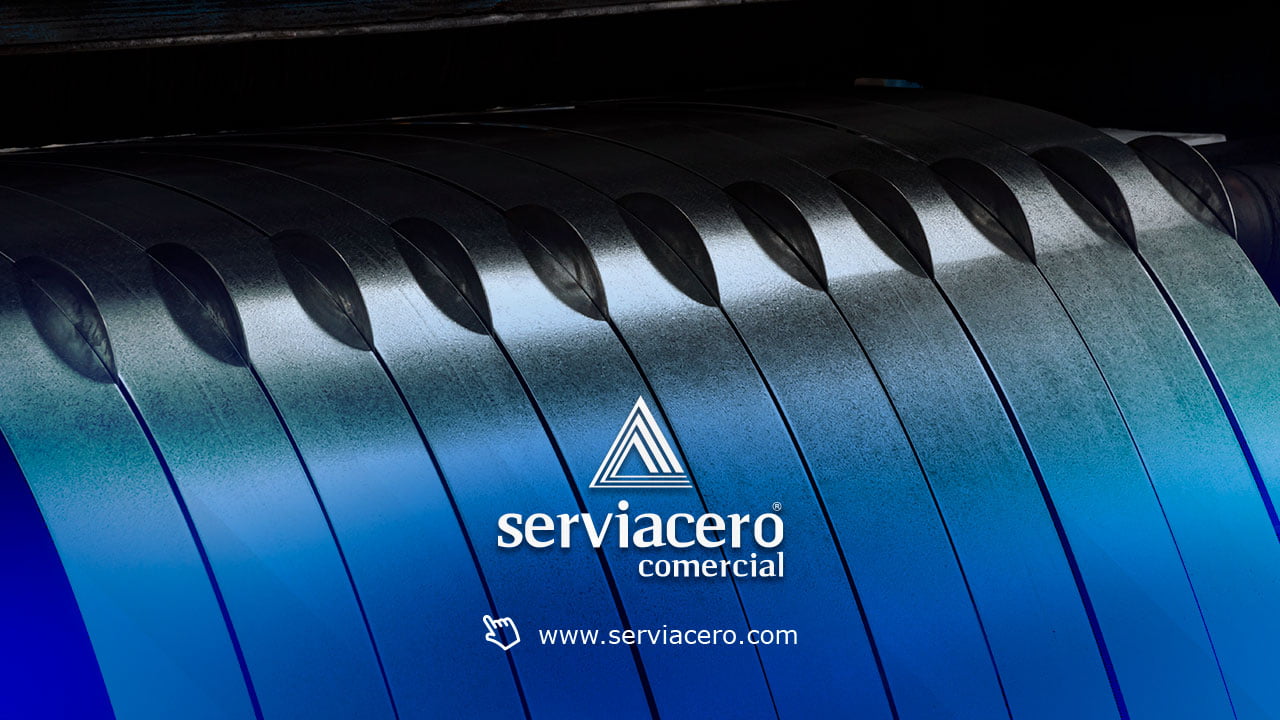
El proceso de la fabricación de tubería va desde la obtención de la materia prima, hasta conseguir el resultado final, hay productos que debido al uso que se les dará y la resistencia esperada, requieren de maquinaria especial para fabricarlos y claro ejemplo de esto es la tubería. El día de hoy conocerás el Corte Slitter.
Si no se cuenta con la herramienta adecuada suele ser muy difícil trabajar con tubería, de aquí proviene la importancia del Slitter, que es un rodillo con cuchillas de forma circular que se utilizan para realizar el corte de distintos materiales.
En este sentido, el corte Slitter es uno de los pasos más importantes para cumplir con la fabricación de la tubería y poder realizar cortes delgados y gruesos.
El corte Slitter es esencial para transformar la materia prima, ya que los proveedores de acero fabrican rollos mayores de 36” de ancho. Este proceso no solo aplica para tubería, sino también para otros materiales como la
solera de acero, permitiendo segmentar y garantizar el ancho solicitado.
Una tubería no es más que un gran rollo de acero que tendrá que ser cortado y procesado de diferentes formas. Aunque si bien es cierto que existen unos estándares, hay muchos tipos de tuberías.
Beneficios de utilizar el Corte Slitter para la fabricación de tubería
• Puede cortar materiales duros si se requiere tubería de mayor espesor gracias a sus cuchillas consigue cortes rápidos, aunque el material tenga bordes o rebaba.
• Puede cortar materiales blandos utilizando cuchillas especiales se ejerce presión para realizar el corte de manera adecuada.
• Se adapta a diferentes tipos de superficies por ejemplo si el rollo tiene alguna curvatura u ondulación.
• Adecuación de la superficie de la materia prima, corrigiendo cualquier irregularidad que se presente en esta, por ejemplo: hundimiento.
• Se hace el máximo aprovechamiento del rollo ya que se busca el mínimo desperdicio posible lo que le da un ahorro en costos a la empresa.
• Es un proceso muy rápido ya que trabaja a grandes velocidades y permite realizar cortes de forma simultánea.
• Realiza cortes eficaces y precisos sin desperfectos en las puntas de los materiales.
• Enrollado automático de las piezas cortadas para mejorar su facilidad de manejo, traslado y almacenado.
• Facilidad para la adecuación, reparación y obtención de piezas específicas ya que en su mayoría las maquinarias modernas están fabricándose bajo estándares universales.
En épocas remotas, la fabricación de tubería de acero podía requerir de una serie de técnicas y procesos desgastadores que además no brindaban los resultados más esperados; gracias a la evolución tecnológica el proceso manual ha quedado en el olvido y la implementación de máquinas cortadoras cada vez ganan más terreno en el apartado internacional, ahí su importancia.
En Serviacero Comercial ofrecemos servicio de corte longitudinal de rollos de lámina y placa, contamos con equipo Slitter de última generación que nos permite cumplir con los más exigentes estándares de calidad de la industria.
Podemos hacer hasta 31 cortes simultáneos según el ancho y calibre del rollo, con una tolerancia de +/- 0.005”
Ponemos a su disposición nuestro capital humano integrado por especialistas que le podrán asistir en sus proyectos de corte a medida.
Tipos de material que puede procesar el corte sitter
• Lámina Rolada en Frío
• Lámina Rolada en Caliente
• Galvanizado
• Pintado
• Decapado
Nuestro gerente de ventas Bernardo Moreno nos menciona que:
“La importancia del Corte Slitter para la fabricación de tubería”.
Debemos partir de rollos con espesores adecuados para fabricar el tipo seleccionado de tubería y realizar cortes de cintas precisos con tolerancias mínimas en ancho y generar bobinas de acuerdo a nuestras capacidades de máquina, por un lado, para poder realizar una fabricación de producto de alta calidad dentro de las tolerancias más cerradas de las normas internacionales y por otro lado para evitar desperdicios que afecten el margen de utilidad de la fabricación del producto.
Conoce todos nuestros productos, dentro del sitio web de Serviacero Comercial.
Conoce nuestro LinkedIn para estar más informado en temas similares.