
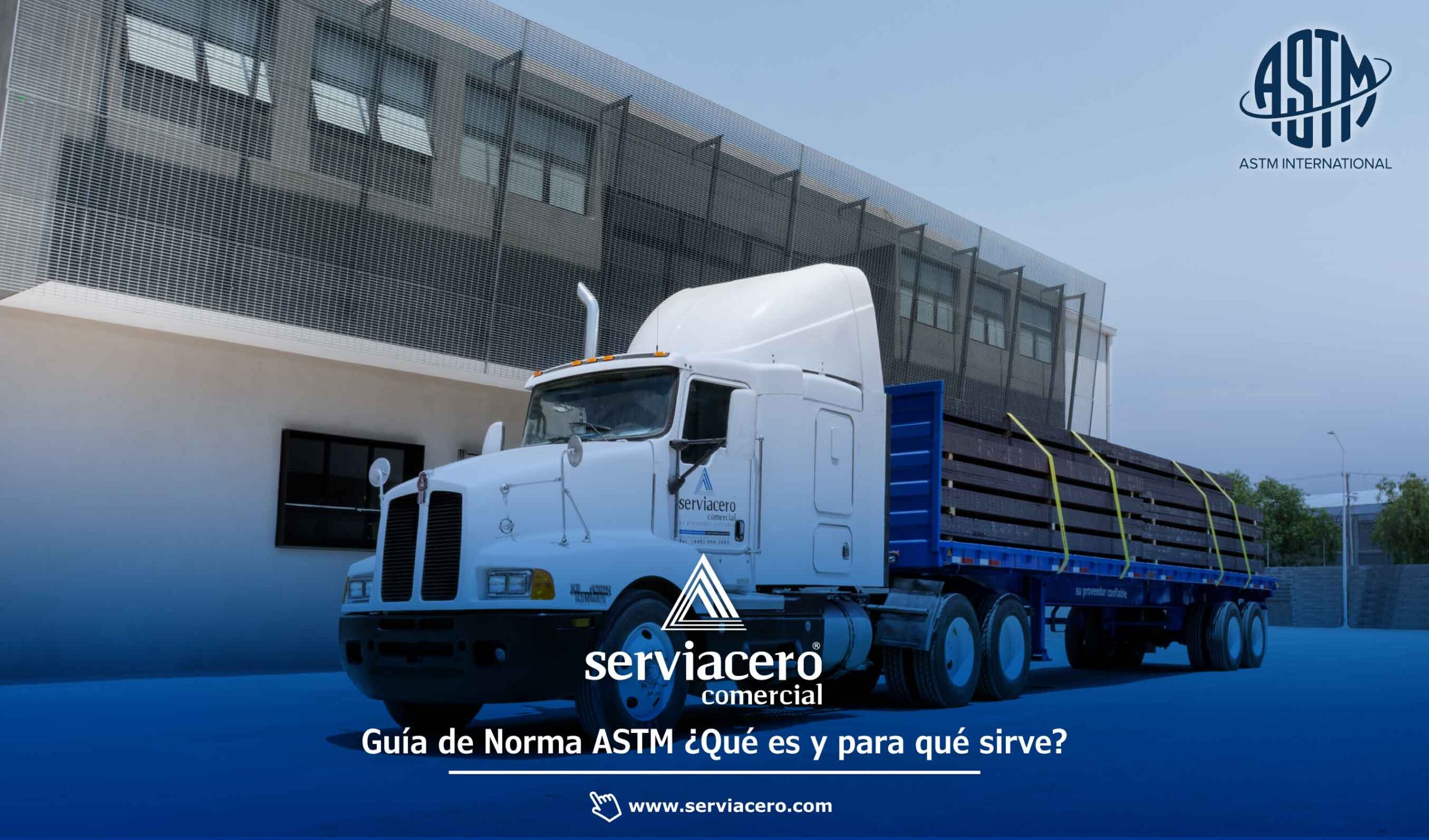
Existen diferentes normas y grados que se aplican según el uso de los productos. Las normas ASTM son la base para la estandarización. Estas normas ayudan a cumplir con características como tamaño, apariencia, composición química y propiedades mecánicas.
ASTM tiene una buena reputación en la industria. También tiene procesos claros y rigurosos para crear normas. Involucra a expertos de diferentes sectores. Esto asegura que las normas sean aceptadas y usadas ampliamente.
Al principio, en 1898, esta organización se enfocó en la industria ferroviaria. Pronto, amplió su alcance a otros sectores. Estos sectores incluyen metales, pinturas, textiles, plásticos, petróleo, construcción, energía y medio ambiente.
ASTM es conocida en todo el mundo por su trabajo en calidad y seguridad. Estas normas son adoptadas y usadas globalmente. Al día de hoy ASTM cuenta con 12,500 normas que mejoran la calidad de los productos, salud y seguridad y con esto fomenta la confianza de los consumidores.
En Serviacero, los materiales que comercializamos y transformamos, cuentan con este estándar de calidad, nos ofrece varios beneficios y ventajas tanto para a los fabricantes como para los usuarios finales.
-El aseguramiento de que el acero cumple con estándares específicos de calidad, lo que reduce el riesgo de defectos y fallas en la estructura o producto final.
-Al seguir las normas, los fabricantes pueden reducir costos asociados con pruebas y ensayos adicionales, ya que estas normas proporcionan una base en común para la evaluación y aseguramiento de calidad.
-Facilitan la compatibilidad entre diferentes materiales y componentes, lo que simplifica la selección y uso de materiales en proyectos de construcción o fabricación.
-Se garantiza que el acero utilizado en estructuras críticas, como puentes, edificios, maquinaria, vehículos, cumple con los requisitos de seguridad necesarios para proteger a las personas y el medio ambiente.
-Estas normas son reconocidas globalmente, lo que facilita la exportación de productos de acero a otros países y ofrece una ampliación en oportunidades comerciales.
En general, la ASTM es considerada una organización confiable y respetada en la industria, líder en la promoción de la calidad y la seguridad a través de la estandarización, lo que hace un factor clave en la toma de decisiones en los fabricantes, proveedores y clientes.
Conoce más temas interesantes en nuestro sitio web.
Sigue nuestro perfil de LinkedIn para saber cuando se sube un nuevo Blog.